

KeepMyHouse Learning Center
Empowering Homeowners & Agents With Expert Foreclosure Knowledge
The KeepMyHouse Learning Center is where California homeowners and real estate agents come for clarity, strategy, and support. Whether you’re facing a foreclosure yourself or helping a client through one, our content delivers practical, no-nonsense insights you can act on.
We specialize in providing foreclosure resources in California that are current, clear, and informed. From understanding timelines and loan modification rules to exploring sale options and compliance best practices, we break down what matters most—so you can move forward with confidence.
Every article is written to support two audiences: homeowners looking for homeowner help in California, and real estate professionals searching for real estate agent foreclosure tools they won’t find anywhere else.
Articles for Homeowners

If you’re behind on mortgage payments or facing foreclosure, you may hear an investor mention “subject-to existing financing” (also called subject-to, sub-to, sub-2, or T-O). It can sound like a quick solution, but it’s important to understand how it works and what risks come with it—especially for you as the homeowner.

Foreclosure can feel isolating, but you’re not alone. KeepMyHouse.org brings clarity, support, and solutions to help California homeowners protect what matters most—their home.

Many California homeowners don’t realize they may still have equity left after foreclosure. Here’s how to recover surplus funds before scammers try to take them.

Foreclosure can feel like the end—but it’s really a reset. With discipline and planning, you can rebuild your credit, restore financial stability, and own a home again.

A short sale lets you sell your home for less than you owe—with your lender’s approval—to avoid foreclosure. Here’s how the process works in California and what to expect.

Foreclosure wipes out your mortgage—but sometimes, old debts come back from the dead. Here’s how to prevent “zombie” mortgage balances, HOA dues, and collection scams from haunting you.

If you’re in foreclosure, property taxes don’t stop. Here’s how California handles unpaid taxes, who’s responsible after the sale, and how to avoid tax-related surprises.

Every homeowner in distress should know how to separate real foreclosure documents from scams. Here’s how to verify the legitimacy of trustees and notices under California law.

When a property faces foreclosure, tenants often fear they’ll be forced out overnight. But federal and state laws provide strong protections for renters who act quickly and know their rights.

If you’re struggling with your mortgage, your lender might offer a modification or a forbearance. Knowing the difference could be the key to saving your home.

Foreclosure sales can be canceled for many reasons—loan reinstatement, modification, or lender error. Here’s how to confirm what happens next and protect yourself after the cancellation.

Foreclosure notices aren’t always flawless. California homeowners have the right to dispute errors that violate law or misrepresent key facts—sometimes stopping a sale entirely.

If you’ve received foreclosure notices, you still have rights. California law gives homeowners the ability to reinstate or redeem their loan—but each follows different rules and timelines.

The trustee is the key player in a nonjudicial foreclosure, acting as a neutral party between lender and borrower. Understanding their role helps homeowners know who to call—and what to expect.

Once the Notice of Trustee’s Sale (NOS) is posted, the countdown begins—but it’s not over yet. Here’s what every California homeowner should expect and how to respond strategically.

Filing bankruptcy can pause foreclosure instantly, but long-term results depend on your type of case and finances. Here’s what California homeowners need to know before filing.

Every foreclosure starts with paperwork—but not all notices mean the same thing. Understanding the difference between a NOD and a NOS can help you take the right action before it’s too late.

It’s never over until the gavel falls. California law gives homeowners powerful last-minute tools—if they act fast and document everything. Here’s how to stop a foreclosure sale in its final days.

If your name isn’t on the mortgage but you live in or own the home, you still have rights. Here’s how California law separates property ownership from loan responsibility—and what it means during foreclosure.

Federal and state relief programs changed how lenders handle hardship, foreclosure, and forbearance. Here’s how those protections continue to benefit California homeowners in 2025—and what’s next.

If your loan has been sold or “transferred,” don’t panic. California and federal laws protect your rights—and your mortgage terms—no matter who owns the loan.

A foreclosure doesn’t always mean total loss. When your property sells for more than your mortgage balance, California law lets you claim the surplus. Here’s how to do it before it’s too late.

Not all foreclosures follow the same path. In California, most are nonjudicial—but knowing the difference between judicial and nonjudicial foreclosure helps you protect your home and make informed decisions.

From fake foreclosure consultants to upfront-fee modification scams, mortgage relief fraud preys on homeowners in crisis. Here’s how to identify, avoid, and report it before it’s too late.

Most homeowners don’t realize HOAs can foreclose for unpaid assessments. Here’s how California law handles HOA liens, timelines, and what to do if your property is at risk.

Foreclosure errors can be devastating, but California law gives homeowners tools to fight back. Here’s what to do immediately if your home was sold in error.

California’s anti-deficiency laws protect most homeowners from being pursued after foreclosure. But there are exceptions. Here’s how to know whether you still owe anything once your home is sold.

Most foreclosures start with silence—missed calls, unopened mail, or fear of confrontation. By communicating early and strategically with your lender, you can protect your home and often find real solutions.

Losing a home is difficult, but it doesn’t define your future. With the right information and planning, you can rebuild credit, find stable housing, and even become a homeowner again.

If keeping your home isn’t possible, a deed in lieu of foreclosure can be a graceful exit that protects your credit and limits legal risk. Here’s what the process involves and when it makes sense.

When lenders or trustees mishandle the foreclosure process, homeowners have legal rights. Understanding what counts as “wrongful foreclosure” in California can help you protect your property and hold servicers accountable.

You don’t have to face foreclosure alone. HUD-approved housing counselors offer confidential, no-cost assistance to help you negotiate with lenders, avoid scams, and make informed decisions.

While foreclosure hurts credit, smart action before, during, and after the process can make recovery much faster. Here’s how to protect your credit through one of the toughest financial challenges homeowners face.

Bankruptcy isn’t always the end—it can be a legal tool to buy time, reorganize debt, or protect equity. Here’s what every California homeowner should know before filing.

Receiving a Notice of Trustee’s Sale doesn’t mean your home is gone—but it does mean time is running short. Here’s how California’s sale notice works and what actions can still stop or delay foreclosure.

Forbearance can temporarily pause or reduce your mortgage payments during hardship. Here’s how to qualify, what to expect, and how to avoid pitfalls when the forbearance ends.

Many homeowners panic when they fall behind, but understanding California’s foreclosure timeline can help you act strategically. Here’s what happens, when it happens, and how to use each phase to protect your home.

If you’re facing foreclosure, you’ll see the trustee’s name on most official notices. Understanding their duties, limits, and legal obligations under California law can help you protect your rights and avoid costly mistakes.

A reinstatement allows homeowners to catch up on missed payments and restore their loan to good standing—without refinancing or modifying the loan. Here’s what every California homeowner should know before time runs out.

A Notice of Default (NOD) is serious, but it’s not an eviction notice. It marks the formal beginning of California’s foreclosure process and opens a critical 90-day window to act.

Foreclosure can feel isolating, but thousands of Californians face the same challenge every year. Here’s how to steady yourself, understand your rights, and take clear next steps.
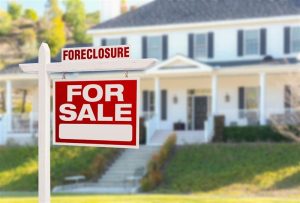
Foreclosure in California follows a predictable series of legal steps. Knowing what happens—and when—can give homeowners time to protect their property and plan the right response.

Many homeowners facing foreclosure feel intimidated by their lender, but open communication is one of the most powerful tools you have. Here’s how to manage that conversation the right way—and avoid costly missteps.

A loan modification can make your mortgage affordable again, but confusion and fraud surround the process. Understanding the rules under California’s Homeowner Bill of Rights can help you navigate it safely.

Receiving a Notice of Trustee’s Sale can feel final, but homeowners still have critical rights during this stage of the foreclosure process. Here’s what to expect—and how to act fast.

From fake “foreclosure rescue” consultants to fraudulent title transfers, foreclosure scams cost Californians millions each year. Here’s what to watch for and how to report abuse.

Many homeowners assume foreclosure means they can’t sell, but California law allows sales right up to the auction date—with lender approval. Here’s how to do it safely and legally.

The California Homeowner Bill of Rights was designed to prevent wrongful foreclosures and ensure lenders treat borrowers fairly. If you’re facing foreclosure, understanding these protections can make all the difference.
Articles for Real Estate Agents

After years of predatory headlines, ethical Realtors are rewriting the story. Learn how education, transparency, and service—not sales—are rebuilding public trust in real estate.

Public doesn’t mean permission. Learn how to handle foreclosure data, property records, and homeowner information the right way—legally, respectfully, and with integrity.

In California’s distressed-property market, ethics aren’t optional—they’re strategy. Learn how to structure, train, and supervise a compliant team that protects homeowners and elevates your brand.

Workshops can change lives—but only when done ethically. Learn how to organize foreclosure education events that build trust, credibility, and community goodwill.

Foreclosure recovery takes a village. Learn how agents, counselors, and nonprofits can work together to create better outcomes for distressed homeowners across California.

Helping homeowners in crisis takes heart—but heart needs boundaries. Learn practical strategies for emotional balance and long-term resilience in California foreclosure work.

A foreclosure listing can attract attention—but not all attention is good. Learn how to market these properties ethically, transparently, and with respect for homeowner privacy.

Handled properly, relocation assistance helps homeowners move with dignity. Done wrong, it can violate state law. Learn the correct process for offering or facilitating “cash for keys” in California foreclosure situations.

Good records build great reputations. Learn what, when, and how to document foreclosure-related conversations to protect your clients—and your license.

In California foreclosure transactions, communication and documentation matter most. Learn how to collaborate effectively with all parties to protect both the homeowner and your reputation.

What you say matters. The right phrases can build trust and protect compliance; the wrong ones can destroy both. Learn the vocabulary of empathy and ethics in foreclosure conversations.

Sometimes the best next step is no step at all. Learn how to respect timing, preserve trust, and re-engage homeowners ethically when the moment is right.

Knowing your limits protects your client and your license. Learn how—and when—to refer a homeowner to an attorney or HUD-approved housing counselor.

Homeowners deserve choices. Learn how to explain the pros and cons of retail listing and direct sale options in a way that’s compliant, transparent, and empowering.

The best Realtors don’t convince—they clarify. Learn how to discuss foreclosure, sale, and retention options with homeowners while staying compliant and compassionate.

When homeowners mention they’re “working with an investor,” they might be safe—or they might be at risk. Learn how to respond respectfully, educate carefully, and keep the door open.

You don’t need scripts that “close.” You need ones that connect. Learn how to speak with distressed homeowners by phone—legally, ethically, and effectively.

Persistence isn’t the problem—pressure is. Learn how to follow up with grace, empathy, and compliance while earning trust through calm, consistent communication.

The wrong words can cost a homeowner’s trust—and a Realtor’s license. Learn how to write outreach messages that are kind, transparent, and fully compliant with California law.

Knocking on a door in foreclosure can feel awkward—for both sides. Learn how to open conversations with compassion and purpose while staying compliant with California law.

Foreclosure conversations are emotional minefields. Here’s how to approach them with care—balancing compassion, professionalism, and California legal boundaries.

When a homeowner falls behind on their mortgage, their world often feels like it’s collapsing. Stress, shame, and confusion dominate every decision.

Homeowners in foreclosure aren’t just facing numbers—they’re facing emotion. Learn how to spot common behavioral cues and build trust without pressure or pity.

The best foreclosure agents don’t push—they clarify. Learn how to create trust using the “No Pressure” Framework, built on honesty, consent, and compliance.

When homeowners stop replying, most agents move on. The best agents don’t push—they listen, time their follow-up right, and re-engage with empathy and respect.

California’s HBOR protects homeowners from unfair foreclosure practices. Realtors who understand these laws not only stay compliant but also build trust and credibility.

Foreclosure outreach requires more than compassion—it requires compliance. AB 2424 sets the ground rules for when and how Realtors can communicate with distressed homeowners.

Good intentions can cause compliance violations. Learn where California draws the line between real estate service and foreclosure consulting—and how to stay firmly on the right side of it.

Shared ownership between a brokerage and a buying entity isn’t illegal—but hiding it is. Learn how to disclose it properly under California law and maintain client trust.

“Foreclosure rescue” scams target homeowners and tarnish real estate professionals. Learn how to identify warning signs, protect your reputation, and stay compliant under California law.

Curated Resources From Trusted Organizations
In addition to our original content, we offer a carefully selected list of outside support options for both homeowners and agents.
These organizations provide reliable foreclosure defense resources, legal assistance, housing counseling, and financial education throughout California.



Have a Question? We’re Here to Help
Foreclosure isn’t one-size-fits-all—and sometimes, what you really need is a clear answer to your specific situation. If you don’t see the information you’re looking for in the Learning Center, don’t hesitate to reach out.
We offer free foreclosure advice through direct consultations and are happy to help you understand your options—no matter if you’re trying to save a home list your home for market value, sell fast, or stay compliant as an agent.


Get Started With KeepMyHouse Today
If you or your client is facing foreclosure in California, don’t wait. The earlier you reach out, the more solutions we can help you explore.
KeepMyHouse provides trusted support, personalized insights, and legally informed strategies—all at no cost. Whether you’re a homeowner in crisis or an agent looking for a reliable partner, we’re here to help you move forward with clarity and confidence.